Harvard University Scholar
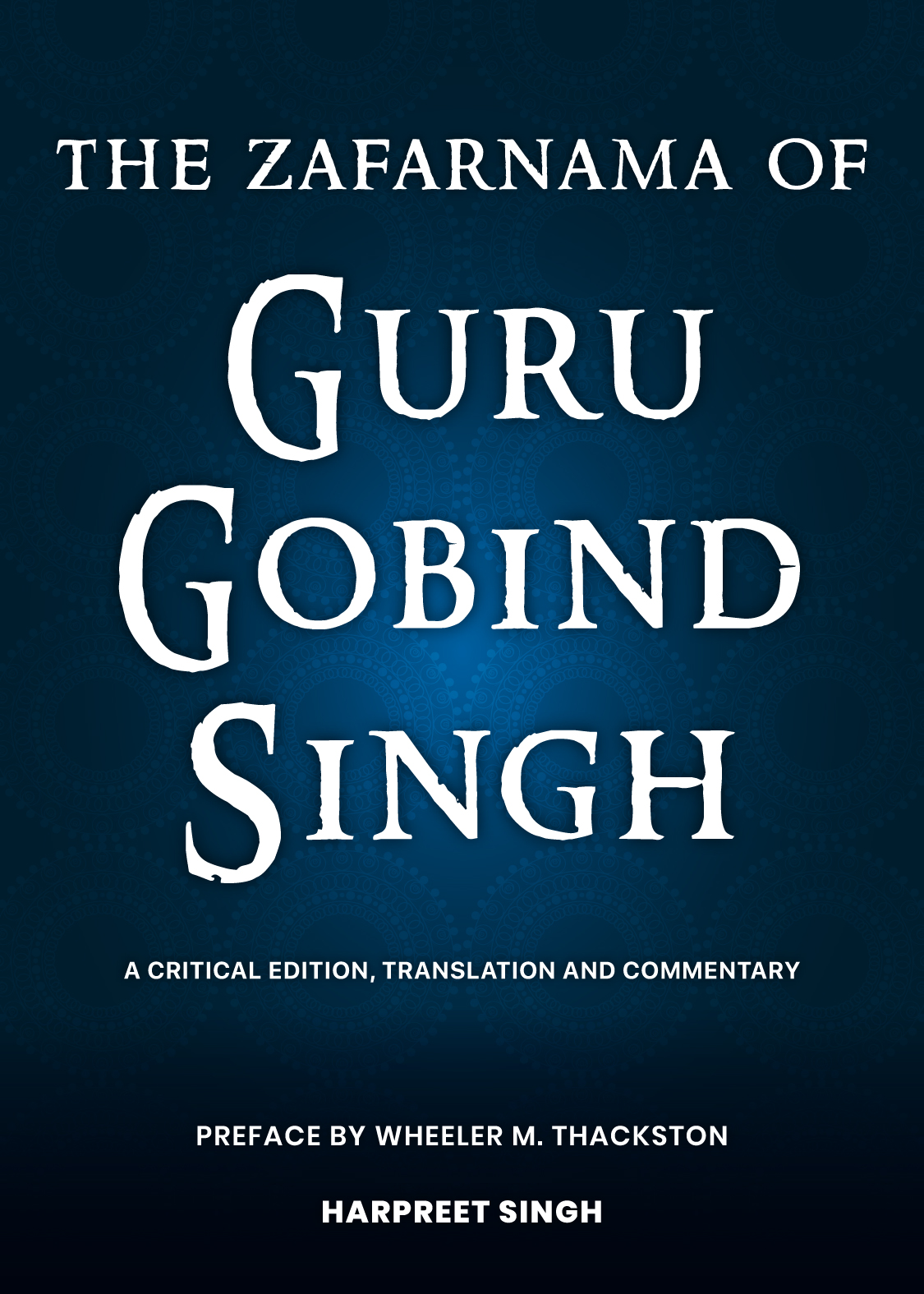
I study the formation of Sikh tradition in early modern South Asia through foundational texts and manuscript scholarship. My research focuses on how religious communities articulated distinct forms of authority in Mughal Panjab. My first book, The Ẓafarnāma of Guru Gobind Singh (Harvard Oriental Series, 2025), demonstrates how the tenth Sikh Guru deployed Persian literary mastery as a sovereign act, transforming Mughal conventions into instruments of political judgment.
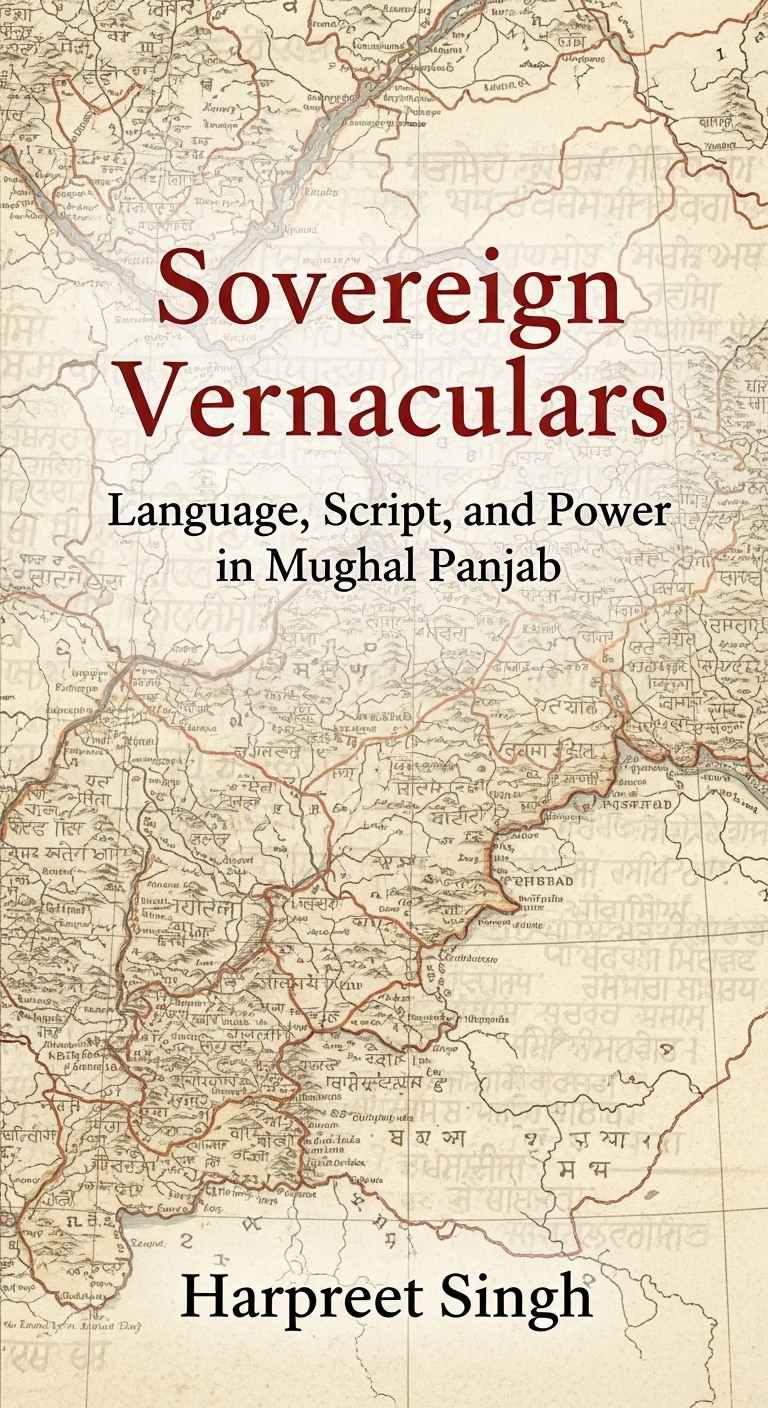
My forthcoming book, Sovereign Vernaculars (2026), broadens this to a comparative study, contrasting the Sikh project of building a parallel constitutional order with the Hindu strategy of securing autonomy through imperial law and the Sufi model of building deterritorialized spiritual networks. Working across Persian, Panjabi, Sanskrit, Arabic, and Brajbhasha sources, I treat sacred texts as constitutional documents and vernacular literature as technologies of political imagination, demonstrating how cultural production can constitute authority independently of military conquest.
I have always believed that rigorous scholarship finds its highest purpose when it empowers the communities it studies. This philosophy is the common thread in my public service: I co-founded the Sikh Coalition to defend the civil rights of marginalized communities and established the Harvard Sikh Center to bridge academic research and public understanding. Through my HarvardX course, Sikhism Through Its Scriptures, I make this scholarship accessible to over 54,000 learners globally. I continue this work through institutional leadership, serving as Co-Chair of the Sikh Coalition’s Board of Trustees, Chair of the Board of Nishkam Media, and Trustee of the Parliament of the World’s Religions, alongside service on Harvard’s Board of Religious, Spiritual, and Ethical Life and advisory boards at the Royal Ontario Museum and other institutions—fostering understanding and respect for the communities whose traditions I study.
Harvard University, 2012
Harvard Divinity School, 2005
Rensselaer Polytechnic Institute, 1997
Harvard University
Harvard Divinity School, 2005
Rensselaer Polytechnic Institute, 1997
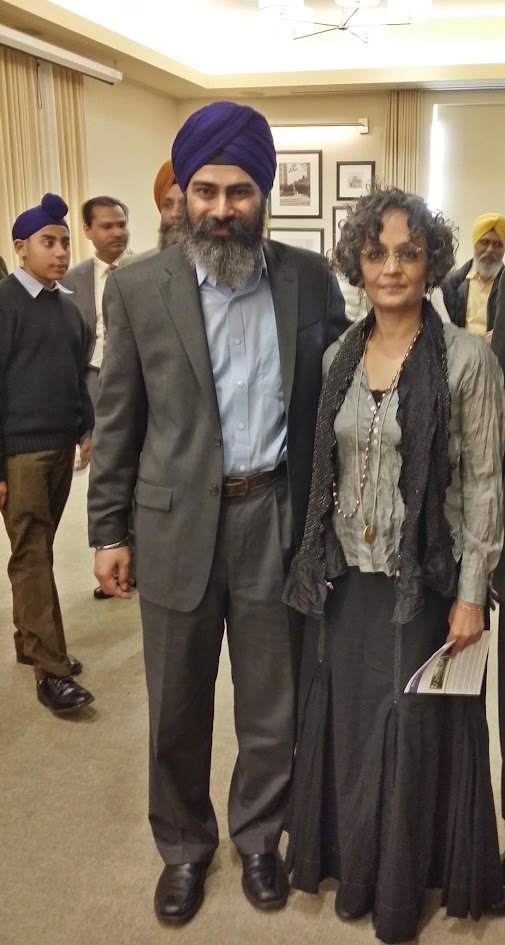
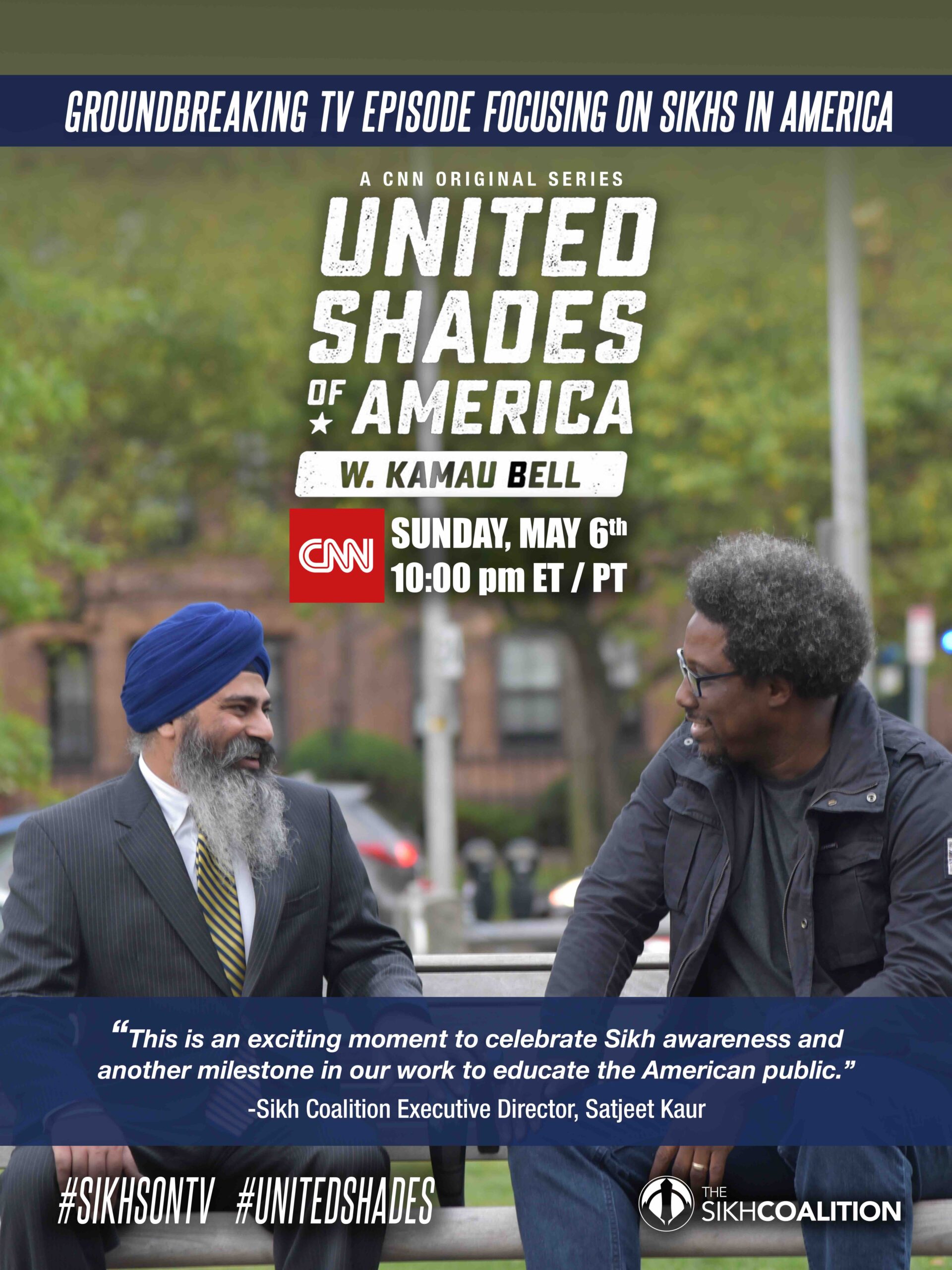
Discussing Sikh Coalition's work with the U.S. State Department to resettle Afghan Sikh and Hindu refugees
Introducing "Sikhism Through Its Scriptures," a HarvardX course with 54,000+ students from 180 countries


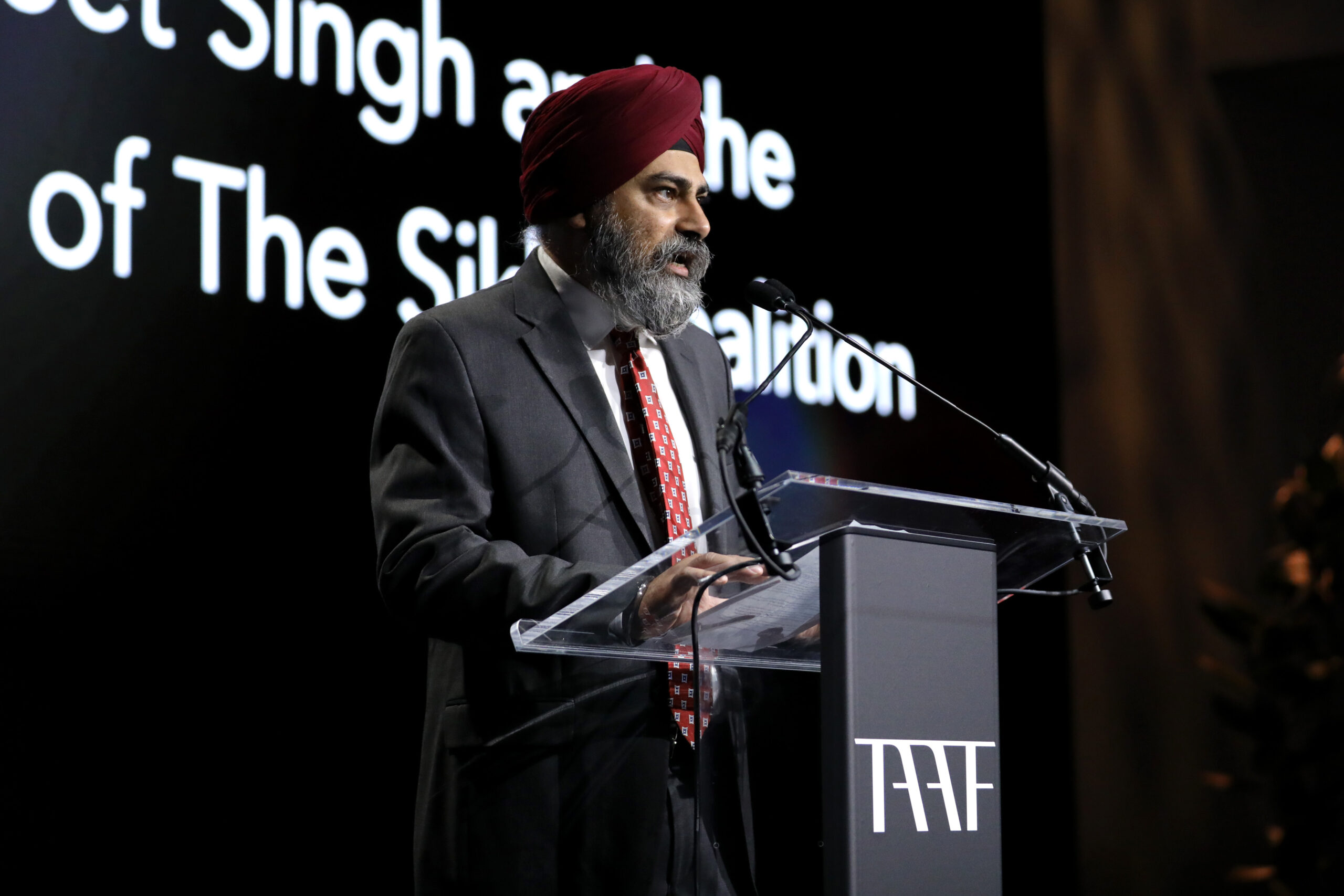
The Asian American Foundation
For making America safer through civil rights work by founding the Sikh Coalition
Derek Bok Center for Teaching and Learning, Harvard University
Awarded based on exceptional student evaluations
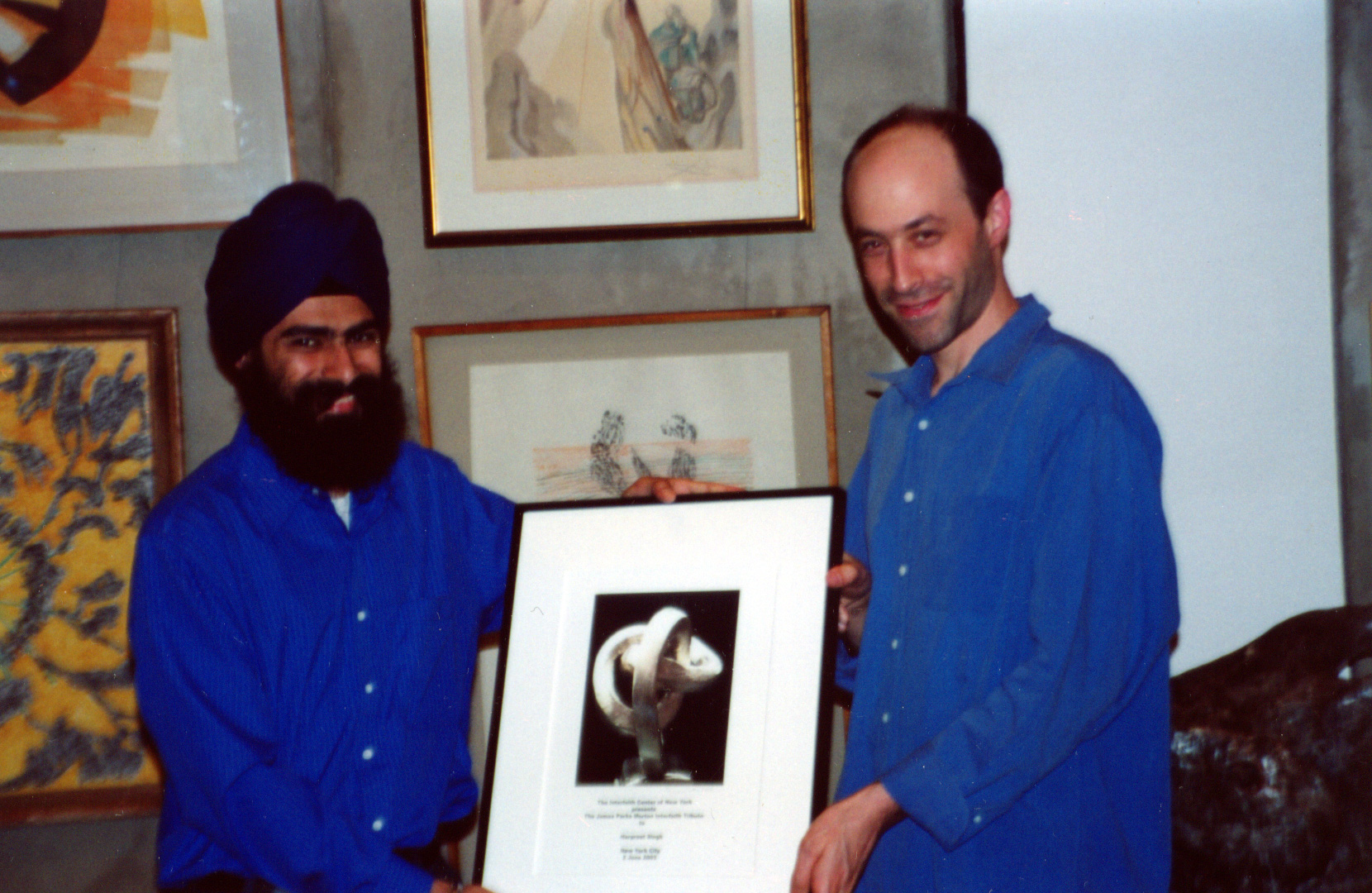
Interfaith Center of New York
For grassroots advocacy combating hate crimes post-9/11
The Ẓafarnāma of Guru Gobind Singh sets out to establish the first reliable text of the tenth Sikh Guru’s famous Persian epistle to Emperor Aurangzeb. For centuries, the letter’s profound political and ethical critique has been obscured by significant textual corruption. By meticulously comparing 38 different manuscripts in both Perso-Arabic and Gurmukhi scripts, this critical edition recovers the Ẓafarnāma‘s original power.
The book argues that the letter is not a petition from a subject, as often portrayed, but a masterful act of sovereign judgment. I demonstrate how Guru Gobind Singh uses the empire’s own literary conventions to turn its discourse against itself, holding the emperor accountable to a higher, divine standard of justice . Furthermore, the project pioneers a new method in material philology, using the unique evidence from early Gurmukhi-script manuscripts to recover the pronunciation of Mughal-era Persian, challenging the dominance of modern Iranian norms in classical Persian studies.
My forthcoming book, Sovereign Vernaculars, explores a central puzzle: how did religious communities in Mughal Panjab build power and articulate political visions in the complete absence of state patronage? I argue that they used language itself as a political tool, revealing three distinct strategies for constituting authority. I contrast the Sikh project of building a parallel constitutional order aimed at eventual territorial rule with the Hindu strategy of masterfully using the empire’s own Persian legal archives to secure institutional autonomy. Alongside these, I analyze the Sufi model, which rejected territorial claims to circulate authority through deterritorialized charismatic networks. In this work, I treat sacred texts as constitutional documents and vernacular literature as a “technology of political imagination,” demonstrating how these communities functioned as rival polities whose struggle to define the vernacular was itself a struggle for power. This work challenges traditional court-centric histories by revealing how, in a space lacking state patronage, these communities pioneered radically different forms of power.


Quick Links
© 2025 Harpreet Singh. Harvard University.